
Zero Sales During a Complaint: the Separation Required by the Customer Service Act in the Financial Sector

Imagine calling your bank to dispute a charge you do not recognize. You spend several minutes explaining the issue, the agent understands the situation… and suddenly offers you a discounted home insurance policy. Beyond being poor practice, this is now a legal breach. Law 10/2025 expressly prohibits it, and financial institutions must review their processes, incentives, and team training to ensure it does not happen.

At first glance, this requirement may seem secondary within the regulation. However, its organisational implications are significant, especially in a sector where customer service teams have spent years being trained to maximise the commercial value of every customer interaction.

What the law prohibits

Article 29.3 of the amended Law 44/2002, in connection with Article 13 of the Customer Service Act (LSAC), establishes two obligations that financial institutions must implement before 28 December 2026:

• Organisational separation between Customer Service Departments and commercial teams. Both structures cannot share sales targets or sales incentives.
• An express prohibition on making commercial offers while handling a complaint or claim, without exceptions.

This prohibition is not arbitrary. It is directly linked to the risk of mis-selling — selling an unsuitable product by taking advantage of a customer’s vulnerable position — a practice that has been under the scrutiny of the Bank of Spain and the CNMV for years. The Customer Service Act now turns this into a legal obligation with clear sanctions.

Separation of teams or separation of functions?

One of the most common questions raised by financial institutions is whether the law requires physically separate teams for customer service and sales, or whether a functional separation is sufficient. Consulting C3’s interpretation, aligned with the position held by the AERC, is that the regulation requires functional separation, not necessarily structural separation.

In practice, this means that while an agent is managing a complaint or claim, they cannot perform any commercial action. Incentives, targets, and scripts must all be designed to exclude any commercial component during those interactions. If an agent’s compensation includes sales-related variables, institutions must ensure these do not apply or generate incentives during complaint handling.

This also impacts CRM systems: if, during a complaint call, the agent’s screen automatically suggests products that could be offered to the customer, this functionality must be disabled while the interaction is classified as a complaint.

What about customer retention?

This is where one of the most interesting discussions arises: if a customer calls to cancel a service, can the institution attempt to retain them? Is this considered a prohibited commercial action or a legitimate customer relationship management activity?

According to the AERC’s interpretation, the key distinction lies in the approach. What the law prohibits is a purely commercial action: making a financial offer to prevent the customer from leaving. What could still be allowed is informing the customer about alternatives that genuinely address the issue they are experiencing.

The difference is subtle but crucial. If a customer wants to close their account because fees are too high, offering them a discount would be considered a prohibited commercial action. However, if the customer is experiencing a technical issue with a digital service and, while resolving it, the agent informs them that there is an improved version without that issue, the context is different. The underlying principle should always be the same: are we solving the customer’s problem, or are we taking advantage of their vulnerability to sell them something?

The controls that the law requires

Having a written policy is not enough. The regulation requires specific and documented controls:

• Review and update of scripts and customer service protocols to remove any commercial call-to-action during complaint or claim handling.
• Systematic call monitoring to detect and document potential breaches, together with corrective action plans.
• Specific and documented training for Customer Service agents regarding this functional separation, with particular emphasis on ambiguous scenarios such as customer retention.
• Review of incentive models to ensure that no commercial component influences complaint management.
• Interaction records available for audit by the Bank of Spain, the CNMV, or the DGSFP at any time.

If the Customer Service model is properly designed, complying with this requirement is easier than it may seem. The real challenge appears when organisations have spent years combining functions that the law now requires to be clearly separated. The deadline is approaching quickly, and the risk of inaction goes beyond regulatory sanctions: an institution that sells during a complaint process not only breaches the law, but also damages customer trust in a way that is difficult to repair.

www.consultingc3.com

Bots, IVR and the SAC Law: automation can no longer be the only customer service option

The financial sector has spent years investing heavily in the digitalisation of customer service: conversational bots, sophisticated IVR systems, self-service apps, and virtual assistants. A model that has proven highly efficient. Until now.

Law 10/2025 introduces a principle that changes the rules: no customer can be trapped in an automated system if, at any point, they wish to speak with a human agent. The concept is simple, but its operational implications are far deeper than they may initially appear.

What the law says: the explicit right to human assistance

The amended Law 44/2002 establishes that financial institutions must guarantee access to a human agent for any customer who requests it, at any stage of the interaction. Chatbots and virtual assistants are considered complementary tools, never substitutes for customer service.

The regulation also establishes two mandatory minimum service channels: telephone support and at least one non-face-to-face channel. Institutions may add more channels, but they cannot eliminate these two or replace them with exclusively automated systems. The compliance deadline is 28 December 2026.

The real change: leaving the bot without leaving the channel

Until now, many institutions configured their automated systems so that if a customer wanted to speak with a person, they had to leave the channel — for example, exit the app chat and make a phone call. The SAC Law removes that option.

If a customer starts an interaction within an automated channel and requests human assistance, they must be able to receive it within that same channel, without needing to switch channels or start the process again.

This means reviewing all automated customer service flows and ensuring that there is always a functional and accessible route to a human agent. In many cases, this requires redesigning IVR decision trees, chatbot flows, and escalation processes within messaging and chat environments.

The practical question for technology teams is straightforward: if a customer is checking the status of a transfer through the app chatbot and writes, “I want to speak with a person”, what happens next? If the system simply provides a phone number and asks the customer to call, that flow is non-compliant.

24/7 service and its reasonable limits

The law specifically refers to 24/7 availability for essential services and urgent or irreversible situations. In the financial sector, this includes card blocking, fraud reporting, or urgent transfers: for these types of requests, human assistance must be available outside standard business hours.

The expectation is not that every service must have human agents available at all times. The key is identifying which parts of the operation are considered critical or urgent and guaranteeing coverage for those specific cases.

The challenge of data protection and vulnerable customer groups

Personalised customer service introduces another dimension that the law addresses directly: data protection. In telephone and digital interactions, it is not always possible to verify a customer’s identity or determine whether they belong to a specially protected group without asking questions that could compromise their privacy.

In April 2026, the AERC submitted a formal consultation to the Spanish Data Protection Agency (AEPD) seeking clarification on how to reconcile the right to personalised service with data protection obligations, particularly regarding customers with disabilities. The AEPD’s response is highly anticipated across the sector and, once published, will need to be incorporated into customer service protocols.

What your institution should review before year-end

• Audit all automated service flows (bots, IVR systems, apps, chatbots) and identify whether there is an option to transfer the interaction to a human agent within the same channel.

• Verify that this transfer is fully functional during all hours in which the channel is operational.

• Review customer identification protocols to ensure data protection compliance in personalised interactions, particularly for vulnerable groups.

• Document the mandatory minimum service channels (telephone + non-face-to-face channel) and confirm that no process excludes their use.

• Define which services are considered urgent or critical and therefore require human assistance coverage outside normal business hours.

Digital transformation is irreversible, and the SAC Law is not intended to stop it. What it demands is that technology remains aligned with customer needs. Consulting C3 and MST Holding work with financial institutions to redesign these operations efficiently: preserving what already works, adapting what the regulation requires, and documenting everything necessary to successfully pass an audit.

The 3-Minute Limit on Customer Service Calls: What Your Financial Institution Needs to Know

Law 10/2025 on Customer Service sets a clear countdown for all financial institutions: they have until December 28, 2026, to adapt their operations. One of the requirements raising the most questions among operations teams is the new waiting time limit for inbound customer service calls, as it directly impacts workforce planning, technology, and the service model itself.

During the executive webinar organized by Consulting C3 together with the Spanish Association of Customer Relationship Experts (AERC), this was the topic that generated the highest number of questions. And for good reason: the nuances that separate compliance from non-compliance are significant.

What does the law say?

The amendment to Law 44/2002 is clear: 95% of inbound Customer Service (SAC) calls must be answered within a maximum of 3 minutes. This threshold is measured on an annual basis, meaning that not every individual call is required to meet the target, but the overall yearly average must comply.

Achieving this 95% target has major operational implications. Those managing customer service centers know that reaching this level effectively means maintaining an abandonment rate between 1% and 2%, which requires a complete review of workforce management and capacity planning models.

When does the waiting time start counting?

This detail directly affects how measurement systems must be configured. The law distinguishes between two scenarios:

• If the customer calls the Customer Service department directly without going through any automated system, the timer starts from the very first second of the call.

• If the customer first accesses an IVR or any other self-service system, the timer starts the moment the customer explicitly requests to speak with a human agent.

This second point is especially relevant for institutions already operating IVR systems: the clock does not start when the customer dials the number, but when they request human assistance. The contact center platform must accurately and audibly register that moment, as an approximate estimation will not be sufficient.

Callback: a safety valve with conditions

The law allows institutions to offer a callback service when waiting times are expected to exceed the limit. However, offering a callback does not exempt the institution from complying with the KPI. The metric still measures the actual waiting time, regardless of whether the customer accepted a deferred call.

Callback cannot become a systematic workaround. If an institution relies on it massively and takes hours — or even days — to return calls, it creates clear evidence of non-compliance that can easily be detected during an audit. The law requires real responsiveness and the ability to prove it with data. The UNE Committee is currently working on clarifying whether a callback offered before exceeding the threshold counts as KPI compliance.

Example: if service hours end at 10:00 PM and a customer accepts a callback at 9:55 PM, that call cannot simply be postponed until the following day. Responsiveness remains an enforceable criterion even if it is not quantified with the same level of detail as the main KPI.

Measurement, logging, and reporting obligations

Complying with the KPI is not enough: institutions must also be able to demonstrate compliance. Financial entities are required to maintain systematic KPI records available for regulatory audit at any time. This involves periodic reporting with data broken down by time slot, channel, and service type, properly stored and preserved.

The calculation is annual, but supervision may occur at any moment. And oversight will not only come from regulators: customers who believe they were not assisted within the required timeframe will be able to file complaints with Consumer Protection Authorities starting January 1, 2027.

What should your institution be doing right now?

• Measure current waiting times and calculate how far you are from the 95% within 3 minutes threshold. Without real data, there is no baseline.

• Review telephone service capacity planning: shifts, demand peaks, and agent-to-call volume ratios.

• Assess the role of callback within the customer service model. If you already use it, make sure response times and records are properly documented.

• Confirm that the technology platform accurately detects and logs the exact moment a customer requests human assistance through the IVR.

• Prepare regulatory reporting processes: format, frequency, and data custody chain.

Consulting C3 and MST Holding have been working for months with financial institutions on diagnostics and adaptation plans for the SAC Law. As members of the UNE Committee, we provide our clients with the most up-to-date interpretation of every regulatory requirement.

The Customer Journey is not the destination. It’s just the map.

You’ve spent years mapping your customer experience. Good. Now comes the part almost no one does: acting on it with real strategic intent.

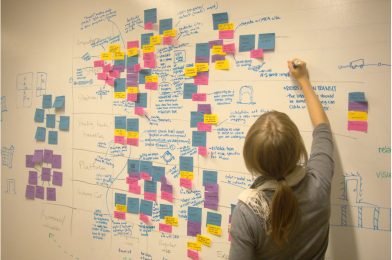
The Customer Journey has become one of the most popular exercises in recent years in any organization that claims to be customer-centric. Co-creation workshops, colorful post-its, huge maps on the wall with arrows, happy and sad face emojis, moments of truth highlighted in red.

And after all that… what happens?

In most cases: not much. The map stays on the wall. Or in a presentation someone files away. Or in a report the CX team presents to the board once a year, feeling satisfied because they’ve “completed the exercise.”

The problem isn’t the Customer Journey. The problem is that many organizations have mistaken it for an end in itself, when in reality it’s just the starting point.

“Mapping the Customer Journey without a clear action plan is like getting a full medical diagnosis and then not taking any medication.”

Why the map alone doesn’t drive change

The Customer Journey is a tool for understanding. It shows where the pain is, where trust is lost, where the customer drops off. It’s valuable. But it has a clear limitation: it describes the present. It doesn’t transform anything.

For that map to become a real business lever, three things are needed—things that are rarely worked on with the same intensity as the mapping itself.

The first is real prioritization. Not all friction points in the journey deserve the same attention. Some moments annoy the customer but don’t affect their decision to stay or leave. Others—the critical moments—mean that a poor experience directly results in a lost customer. Knowing how to distinguish them, and acting first on those with the greatest business impact, is what separates a CX strategy from a backlog of improvements.

The second is translating insights into operational decisions. The journey identifies that “the customer feels uninformed during the onboarding process.” Fine. Now what? Who fixes it? With what resources? In what timeframe? How do we measure that it’s been resolved? Without these answers, the insight evaporates.

The third—and where most organizations fall short—is governance. Someone must be accountable for ensuring decisions are made, executed, and reviewed. Without a clear governance model, customer experience becomes no one’s land: everyone says it matters, no one owns it.

• 89% of companies compete primarily on customer experience (Gartner)
• Only 1 in 3 CX initiatives generates measurable business impact (McKinsey)
• It is 5–7x more expensive to acquire a new customer than to retain an existing one

That second figure is the most concerning: only one in three CX initiatives actually delivers real business impact. Not because the tools are flawed, but because the work that comes after the map—the hard, operational work of deciding and executing—is not done with the same energy as the workshop.

From map to system: what it really means to manage experience

Managing customer experience is not about creating a journey map every two years. It’s about building a system that continuously listens, prioritizes, acts, and learns.

Continuous listening means having mechanisms that capture the voice of the customer in real time, not just through periodic surveys. A customer who drops out midway through a process won’t wait three weeks for a questionnaire.

Prioritizing with intent means combining experience data with business data. It’s not enough to know something frustrates the customer—you need to understand the cost of that friction to the business. That intersection turns an experience issue into a compelling case for investment.

Acting in a coordinated way means CX cannot sit solely within the CX team. Customer friction usually originates in operations, technology, or internal processes that haven’t been reviewed in years. Fixing customer experience almost always means fixing something broken internally.

And finally, learning means closing the loop: measuring whether changes worked, adjusting, and starting again. Not as a project with a deadline, but as a permanent management model.

“The companies that lead in customer experience are not the ones with the best map. They are the ones that have built the best system to act on it.”

One uncomfortable question to ask today

If your organization has invested time and resources in mapping the Customer Journey, there’s one question worth asking directly: what has actually changed in the real customer experience since that map was created?

Not in the improvement plan. Not in the roadmap. In the real experience—the one customers live when they interact with your company today.

If the answer is “not much” or “we’re not sure,” the problem isn’t the journey. It’s what comes next. And that’s exactly where the real work begins.

You already have the map. Now it’s time to use it.

At Consulting C3, we help organizations turn their Customer Experience strategies into management systems that deliver real business impact—from prioritizing critical moments to designing governance models that actually work. If you have the map but are missing the next step, let’s talk.

www.consultingc3.com

ARAG Spain and the Consultancy that Inspires Change

Too often, consultancy work takes place in silence. Its impact can be seen in the results, but rarely in the headlines. The essence of consulting does not lie in visibility, but in the deep understanding of each organization and the discretion that sustains every relationship built on trust. Understanding the client’s structure, circumstances, and needs is the first step; rigorously safeguarding what is observed and shared is the second.

However, there are projects worth telling. Cases where the client, far from viewing consulting as support in the shadows, openly acknowledges the value of guidance that drives their evolution. Such is the case of ARAG Spain, a company that has transformed collaboration into an exercise in transparency and shared learning.

In the October edition of Actualidad Aseguradora, ARAG features in an interview that highlights its strategic commitment to Customer Experience and the intelligent use of data as a driver of transformation. From our position at Consulting C3 as consulting partners, we are honored to accompany their team throughout this process and share with the industry a genuine example of leadership — that of those who understand that continuous improvement begins by looking inward and evolving through listening and knowledge.

Customer Experience: A New Era – From Contact to Connection

What do you consider to be the biggest challenge for companies today in customer experience?

PABLO CABRERA (P.C.): The rise of artificial intelligence is inevitable; it’s not just a trend, it’s the present — and it will define the future of customer experience. But experience without people does not exist. Increasingly, Customer Experience and Employee Experience departments must work hand in hand so that the customer experience is lived throughout the entire company. At ARAG, we are empowering our team with information and tools that allow them to anticipate customer needs in every interaction and across any channel, ensuring that each experience is consistent and of high quality.

PATRICIA GUERRERO (P.G.): I see two major areas that require attention. First, people: everyone within the organization must internalize that the customer is important, but we must also care for the internal customer, who is part of the overall experience. Second, information and data: how we collect, analyze, and use that data to improve the experience in a cross-functional and effective way. Without these two pillars, any Customer Experience strategy is incomplete. The key is to ensure this message reaches every department and every person in the company, universally.

What has been the most transformative change in recent years in customer relationships?

P.C.: For me, omnichannel strategy has been the most significant change. Activating channels is relatively simple from a technological point of view, but maintaining a coherent experience while complying with regulations is the real challenge. Artificial intelligence enhances this evolution, as it enables agents to access the information they need in real time and provide fast, personalized responses. This is essential to ensure that customers receive a consistent experience, no matter which contact channel they choose.

P.G.: I completely agree. Omnichannel and AI make it possible to move from isolated interactions to longer-term relationships with customers. Thanks to hyperconnectivity and data analysis, we can better understand customers and offer solutions where and when they need them. This turns the relationship into something continuous and relevant — not just a one-off contact. Furthermore, it allows us to align customer experience with strategic objectives and internal efficiency.

The Role of Customer Feedback

P.C.: Feedback is essential, but the real challenge lies in how to present it so that it translates into strategic decisions. At ARAG, we use AI to summarize comments from multiple sources and turn them into projects that improve both the experience and business outcomes. This allows our team to prioritize actions that truly generate impact and measure their effectiveness. We analyze both active and passive sources — surveys, emails, social networks, and public platforms. With all this information, we create storytelling that helps middle management, directors, and the CEO easily understand feedback, ensuring every comment is transformed into tangible improvements.

P.G.: We must move from metrics to qualitative insight. Understanding the impact on both experience and profitability allows feedback to act as a compass for designing short- and medium-term strategies, ensuring decisions align with real customer needs. Moreover, integrating feedback into action plans ensures that every project not only enhances the customer experience but also generates tangible value for the company — balancing satisfaction and financial results.

What Mistakes Are Still Being Made in Customer Experience?

P.C.: I wouldn’t call them mistakes, but rather areas for improvement. Often, too much attention is paid to complaints and negative comments, forgetting that most experiences are actually positive. It’s essential to balance continuous improvement with valuing what already works well. Moreover, customer experience is sometimes viewed internally as something merely “cool,” when in reality much of the work involves truly understanding what the customer is saying and how that impacts the overall experience. A major challenge is linking experience to financial results or tangible returns, as this helps position Customer Experience projects within the company and demonstrate their real impact.

P.G.: I completely agree. Customer experience is a constant process of trial and error. The real risk would be to stop listening carefully or to fail to promote the Customer Experience philosophy internally. Active listening, reflecting on feedback, and sharing that vision throughout the organization ensure that every decision translates into concrete improvements and delivers value both to the customer experience and to the company.

How Has Technology Improved the Relationship with Customers?

P.C.: Technology has been a qualitative leap forward. Omnichannel strategies and artificial intelligence enable us to anticipate customer needs and equip our agents with precise information to respond quickly and accurately. This is crucial at ARAG, both in travel assistance — where clients face urgent and complex situations — and in legal defense, where clear, constant communication is key. AI allows us to provide personalized solutions, improve efficiency, and reduce friction, ensuring every interaction is valuable and consistent.

P.G.: Technology also enhances customer autonomy through self-service and instant personalization solutions. Customers can manage their cases efficiently, receiving responses tailored to their needs — but always under supervision to prevent errors or bias in algorithms. This strengthens the customer relationship and enhances service perception, generating trust and loyalty.

www.consultingc3.com

The Power of Blueprinting in the Hands of Consulting C3: Transforming from the Root

In the field of consulting focused on process improvement and customer experience, some projects become true catalysts for internal change. Beyond solving specific operational issues, they enable organizations to transform the way they engage with customers, their internal structure, and their service culture.

Below, we explain a project developed by the Consulting C3 team, the specialized unit in operational and customer experience consulting at MST Holding. The project involved supporting an industrial organization, operating in the B2B services field, in the reorganization of its operational model and its customer relationship approach.

At the heart of this type of initiative lies the application of the service blueprinting methodology—a detailed map that allows organizations to visualize and systematically structure all internal flows linked to service delivery, from a clearly customer-oriented perspective. The value of blueprinting does not only lie in systematically documenting what already happens, but also in enabling the redesign, reorganization, and optimization of everything necessary to improve the quality delivered—and, above all, the quality perceived by the customer.

The Challenge: Fragmented Structures and Lack of Cross-Functional Vision

The client organization had a solid operational framework regarding the technical delivery of its services, but its internal functioning was heavily compartmentalized. Each area worked efficiently within its own scope, yet lacked a global vision of the complete process. This compartmentalized structure generated informal management dynamics that, while functional on a daily basis, hindered systematic service tracking and, above all, prevented the capitalization of lessons learned and improvements.

Moreover, there was no clear model articulating the complete customer journey, nor shared mechanisms to identify, anticipate, and manage critical points along the process. The lack of traceability—both in the relational dimension and in operational execution—significantly limited the ability to anticipate, complicated effective feedback, and conditioned the consistency of the customer experience.

In short, although the organization met its commitments with clients, it did so from a structure that neither facilitated relational efficiency nor continuous improvement. And in a B2B environment, where trust, coordination, and personalization are key factors, this represented a barrier to advancing toward a more robust and competitive service model.

The Approach: Blueprinting as an Analysis and Design Tool

The applied methodology made it possible to represent, in a visual, detailed, and shared way, the set of internal processes and relationships, aligning them with the different moments of customer interaction. This holistic view helped clearly identify where disconnections, information losses, unnecessary overlaps, or mismatches between internal actions and actual customer needs or expectations occurred.

The analysis phase drew on multiple sources of internal information: interviews with department heads, collaborative workshops, document reviews, and direct observation of workflows. All of this made it possible to create an accurate picture of the organization’s real functioning, beyond formal organizational charts or standardized procedures.

This “relational mapping” established a common ground among teams and areas that, until then, had only partial views of the full process. Putting on the table a shared service representation—from the customer’s perspective—was the first major step toward a more collaborative culture oriented toward the value delivered at every interaction.

Designing a Functional and Flexible Model

One of the key objectives of the project was to establish a functional framework that, without imposing rigidity or unnecessary bureaucracy, would provide greater control over operational and relational performance. To achieve this, a flexible structure was designed—adaptable to different situations, products, and customer profiles, but with consistent criteria of quality, traceability, monitoring, and measurement.

The model considered different levels of intervention depending on the type of customer, the service life cycle, and the complexity of the proposed solution. In addition, it incorporated mechanisms to facilitate cross-departmental coordination, the documentation of incidents and lessons learned, and the generation of useful information for strategic decision-making.

Another relevant aspect was that the designed blueprint was not conceived as a closed element, but as a living tool, able to evolve over time. Continuous improvement mechanisms and periodic review processes were integrated, allowing adjustments based on the experience gained during deployment and on feedback from both customers and internal teams.

Results: Greater Clarity and Organizational Alignment

Among the most noteworthy achievements of the project were:

  • Improved internal visibility of key processes, enabling more informed decision-making.
  • Clear definition of relevant customer service moments, with a special focus on those that shape quality perception.
  • Formalization of control points that make it possible to detect and correct deviations without relying solely on individual proactivity.
  • Creation of useful tools for internal training, facilitating the onboarding of new profiles and ensuring organizational knowledge transfer.

In addition, the project generated a very positive transversal effect: it fostered internal conversations that placed the customer at the center of organizational design. This awareness was key to strengthening the company’s relational focus, transcending departmental boundaries, and consolidating a shared vision centered on the value delivered to the customer.

Structural Collaboration and Strategic Vision

No improvement project can move forward without the active involvement of teams and the firm support of management. In this case, the combination of both factors allowed not only for procedure review but also the initiation of a deeper transformation: the kind that occurs when people understand that their work directly and unequivocally impacts customer experience and loyalty.

Mapping, measuring, and organizing are not bureaucratic actions. They are strategic decisions that strengthen internal coherence, improve coordination, and project outward an image of professionalism, commitment, and care—qualities that customers, especially in B2B environments, value deeply and consistently.

Because when an organization conveys that every stage of the service has been thought out, organized, and executed from the end-user’s perspective, the bond that is created goes beyond functionality. It builds trust. And trust is, ultimately, the best indicator of a successful blueprinting process.

At Consulting C3, MST Holding’s specialized unit, we work precisely to activate these kinds of transformations: structured, collaborative, and result-oriented, where the customer experience becomes the driving force of organizational change.

www.consultingc3.com

Consulting C3: How We Designed a Comprehensive Strategy to Empower High-Performance Teams

At Consulting C3, we firmly believe that high-performance teams are not born by chance—they are built with intention, strategy, and support. Recently, we had the opportunity to work with a renowned multinational company in the retail sector with a clear goal: to elevate the performance of their leadership and middle-management teams without compromising their emotional and mental well-being.

The challenge was ambitious: to transform the way teams managed their time, energy, and productivity in a high-demand environment. Above all, we aimed to help them develop a key skill for times of overload: learning to say “no” with assertiveness and responsibility.

Our Starting Point: Emotional Balance and Sustainable Performance

Today’s organizations operate in volatile, uncertain, and demanding contexts. That’s why our approach is based on a clear premise: it’s not about working more, but working better. This means equipping teams with tools, skills, and a culture that supports focus, strategic prioritization, and long-term motivation.

At Consulting C3, we designed a tailored strategy based on three key pillars:

1. Smart Time Management

One of the primary levers of change was rethinking how time was managed within teams. Instead of traditional to-do lists, we proposed a comprehensive approach that included:

  • Alignment of weekly and monthly priorities.
  • Strategic use of digital tools like Slack and Microsoft Teams, applying clear criteria to avoid unnecessary interruptions and foster deep work blocks.
  • Design of daily rituals to mark the beginning and end of the workday, along with dedicated moments for collaborative work and individual focus.

We also worked to instill a culture that values planning as an investment, not a waste of time. This mindset shift helped reduce the volume of urgent but low-impact tasks and encouraged time management aligned with the organization’s strategic goals.

2. Stress Prevention and Emotional Well-Being

We knew that productivity could not be sustained without proactively addressing the chronic stress often experienced by teams in high-pressure environments. Therefore, we deployed a wellness strategy based on three pillars:

a) Digital Wellness Solutions

We introduced and supported the use of apps like Headspace and Petit Bambou for mindfulness practice, and platforms like Wellhub to promote physical and mental health. We also encouraged the use of reminders for active breaks through Teams and Slack.

b) Workload Review

Together with the teams, we analyzed task distribution, autonomy levels, and clarity in role definitions. This allowed us to correct imbalances and empower managers to take greater control of their time.

c) Emotional Conversation Spaces

We facilitated workshops and group dynamics where teams could openly discuss their emotions, concerns, and needs. These sessions were essential to build trust, detect early signs of burnout, and design collective solutions.

3. Development of Essential Soft Skills

We know that no strategy is truly effective unless it is backed by strong human skills. That’s why a core focus of our intervention was strengthening the teams’ soft skills. We concentrated on:

  • Assertiveness, to say “no” clearly, without guilt or aggression.
  • Emotional management, to lead under pressure and make decisions without impulsive reactions.
  • Empathy, to improve collaboration and mutual support.
  • Strategic prioritization, to distinguish between urgent and important tasks and make decisions aligned with business objectives.

Effective Communication: The Foundation of Collective Balance

Throughout the process, it became clear that the way teams communicate makes all the difference. Therefore, we reinforced key aspects such as:

  • Clarity in instructions and goal-setting.
  • Transparency in information flow.
  • Respect for response times.
  • Constant, constructive, and timely feedback.

In moments of high workload, we helped establish the mindset that saying “no” is also a way to protect the “yes”—to quality, well-being, and sustainable results. This new perspective had an immediate impact on how teams prioritized tasks, distributed workload, and cared for one another.

How Can You Tell if a Team Is Ready for High Performance?

One of the tools we implemented was an internal self-assessment, enabling each team to honestly answer questions such as:

  • Do we have clear weekly priorities?
  • Are we using our technological tools effectively?
  • Do we have real opportunities for rest and disconnection?
  • Can we express our boundaries freely?
  • Is assertiveness and feedback a regular practice?
  • Are we noticing signs of burnout or emotional overload?

This exercise not only helped identify areas for improvement but also triggered specific action plans that directly impacted motivation, team climate, and collective performance.

Results Achieved

Thanks to this intervention, the company observed:

  • Increased organizational clarity and team autonomy.
  • Higher satisfaction levels among middle managers and executives.
  • A significant reduction in chronic stress and emotional burnout.
  • More cohesive, proactive, and focused teams.

At Consulting C3, We Believe in the Sustainable Development of People and Organizations

This project reaffirms our belief that high-performance teams are not built solely on KPIs but on culture, well-being, and human skills.

In a world where “doing more” seems like the only answer, we choose to teach how to do better—with purpose, clarity, and balance.

www.consultingc3.com

Consulting C3 launches an ambitious multichannel audit project for an iconic luxury women’s fashion brand

Consulting C3 has launched one of its most delicate and inspiring projects to date: a customer service audit for a renowned national high-end women’s fashion brand with a well-established presence across the country. This brand, which blends elegance, tradition, and modernity, has entrusted Consulting C3 to lead a profound transformation in the shopping experience it offers its customers, both in physical stores and online.

The project, which is already underway, is based on the Mystery Shopping methodology and is designed to unfold over four annual waves, evaluating different moments in the commercial cycle. The audited brand — with around twenty of its own retail locations, a notable presence in El Corte Inglés through branded corners, and a growing online channel — aims to refine its customer relationship model to make it more human, empathetic, and consultative.

One of the key focus areas is the return process, particularly in the digital channel. The brand’s management has expressed a desire to move away from the traditional model, in which a return is simply accepted, toward a model where the sale can be redirected — where the customer doesn’t return an item, but instead finds an alternative that better suits their style and expectations. This shift demands a deep evolution in the role of sales personnel.

The challenge is significant: the goal is for front-line staff to move from a purely transactional role to a far more strategic one as image and fashion advisors, capable of truly understanding the customer — their tastes, needs, and motivations. Ultimately, the aim is to actively accompany the customer throughout their buying and loyalty journey, adding value beyond the excellence of the product.

This project stems from the growing belief within the company’s leadership that the shopping experience is as much a differentiating factor as the design of the garments themselves. And that vision, far from being just a statement, is materializing into measurable actions.

The brand, with a decade of retail experience, has demonstrated notable operational maturity and has its own set of KPIs and quality indicators. In this project, these indicators are not only respected but are actively integrated into the data analysis system via the eAlicia platform, which will serve as the central tool for service performance measurement and analysis.

What’s particularly noteworthy is that despite its track record, this is the first time the brand has undertaken a customer service audit of this kind. It marks a decisive step toward continuous improvement and a clear demonstration of openness to new practices to strengthen its position in an increasingly competitive market.

Consulting C3 was selected as a strategic partner after several meetings with the brand’s leadership, who recognized in the firm a strong specialization in operational audits within the retail sector and a clear sensitivity to improving the customer experience in assisted sales environments.

The project gains even more value when considering the historical nature of the audited company. Though young as an independent fashion brand, its origins trace back to one of the most influential family lineages in southern Spain, with roots in cattle farming, winemaking, and textile tradition. A heritage that, without needing to be explicitly stated, exudes elegance, legacy, and culture in every garment. Today, this new generation of entrepreneurs is proving they also know how to look to the future.

Thus, Consulting C3 is supporting this transformation with a multichannel audit that assesses not only physical stores but also phone service, contact forms, social media interactions, and post-sales support. The entire process is conceived not as an inspection but as a tool for observation, learning, and evolution. No audiovisual evidence is collected; the data focuses on the customer experience and is always processed anonymously and constructively, with a focus on improvement.

This project isn’t just about a fashion brand. It’s about a new way of understanding luxury: as closeness, care, and the ability to emotionally connect with the customer. Consulting C3 is proud to be part of that evolution.

www.consultingc3.com

Training in Contact Centers for the Automotive SectorHow to Form Teams that Make a Difference in Customer Service

In the automotive industry, customer service is a fundamental pillar that directly influences brand perception and consumer loyalty. Contact centers, as key points of interaction, require highly trained teams to provide a service that not only resolves inquiries but also enhances the customer experience. In this context, specialized training becomes a decisive factor for success.

The Uniqueness of the Automotive Contact Center
Unlike other sectors, in the automotive industry, contact centers play a role that goes beyond simple phone support. They are the first point of contact for many customers on their journey to purchasing a vehicle, which carries significant responsibility in building trust and customer satisfaction.
Additionally, the technical complexity of products and the constant technological evolution of the sector require agents to possess deep and up-to-date knowledge. It’s not just about answering calls; it’s about managing interactions that can close a sale, activate a business opportunity, or recover a dissatisfied customer.

What is Expected from an Agent in the Automotive Sector?
For automotive contact center agents to provide quality service, their training should cover several areas:

  1. Technical Knowledge of the Product
    Customers expect precise answers about vehicle details: differences between versions, hybrid or electric system features, connectivity options, safety elements… It’s essential that the agent can speak confidently.
    In today’s context, where 44% of Spanish consumers are considering switching to an electric vehicle for their next purchase (Deloitte, 2024), knowledge about autonomy, charging points, and incentive policies is key.
  2. Commercial Skills
    Many incoming contacts have commercial potential. Good training enables the agent to identify opportunities, argue value, and direct interest to the appropriate point of sale.
    According to McKinsey, well-trained teams can increase lead conversion rates by more than 20%. The key lies in knowing when to schedule an appointment, when to escalate to an advisor, or how to retain a customer.
  3. After-Sales Management
    The customer relationship with the brand does not end after the purchase. The after-sales experience largely determines loyalty. The contact center must be prepared to manage maintenance, review notifications, warranty inquiries, or technical issues with agility and clarity.
  4. Empathy and Emotional Management
    Critical moments — a breakdown, a delay, a complaint — require agents with high emotional capacity. Knowing how to empathize, contain, and convey commitment is as important as providing the correct response.

The Real Impact of Training: Data and Trends
As recognized, contact centers with continuous training plans have a 27% lower turnover rate. Moreover, 68% of trained agents feel more confident and motivated.
In the automotive sector, losing a lead in customer service is losing a potential sale. A poorly managed interaction can lead to a loss of trust or a customer switching brands.

Consulting C3’s Approach: Practical, Personalized, Results-Oriented Training
At Consulting C3, we have been helping automotive companies improve their customer service processes for years. Our experience has allowed us to develop a unique training approach focused on three pillars:

  1. Initial Diagnosis and Defining Training Pathways
    Before training, we analyze metrics, listen to interactions, and design tailored training paths for different profiles (pre-sales, post-sales, technical-sales, etc.).
    Example: An electric vehicle leasing brand discovered that 32% of failed calls were due to a lack of knowledge about home charging. A specific module was developed to address this issue in just a few weeks.
  2. Experiential Training and Case Simulation
    Our methodology is based on role-plays, listening, analyzing real calls, and evaluating indicators such as FCR, NPS, or conversion rate. This way, learning becomes actionable from day one.
  3. Continuous Reinforcement and Updates
    We design periodic training modules adapted to campaigns, launches, or regulatory changes. This ensures the team is always prepared without losing operational efficiency.

Success Stories with Impact
One of our clients reduced phone abandonment by 18% after implementing a training plan with Consulting C3. Another improved their effective appointment rate by 21% thanks to specific objection handling training.
In a review campaign, customer satisfaction increased from 7.2 to 8.6 out of 10, simply by adjusting the script, response times, and agents’ attitudes.

Customer Service and Retention: Two Sides of the Same Coin
As we know, increasing retention by just 5% can increase profits by between 25% and 95%. The experience with the contact center is key for the customer to repeat, recommend, and trust.
Today’s consumer demands omnichannel, immediacy, and personalization. Only a well-trained agent can meet these demands.Conclusion
Training in automotive contact centers cannot be generic or occasional. It must be aligned with the product, the customer, and the brand’s strategy. It must be technical, emotional, commercial, and operational.
At Consulting C3, we view training as a lever for transformation. We train to improve metrics, convert more, retain better, and build strong relationships between brands and customers.
Because, in this sector, every conversation counts. And a well-prepared agent makes the difference.

www.consultingc3.com

Optimization Techniques for Contact Centers in the Healthcare Sector

In the healthcare sector, optimizing a contact center is not just about operational efficiency; it is, above all, a commitment to service quality and patient safety. At Consulting C3, we understand this well.

Through our experience working with contact centers in this field, we have identified a series of unique challenges that set it apart from other industries. Here, every interaction has a real impact on a person’s life, and the challenge is not just to reduce wait times or improve first-contact resolution but to do so while ensuring a humane, empathetic approach that complies with strict privacy protocols and healthcare regulations. Optimization in this environment must address the complexity of the service, adapting to the ever-changing needs of patients and healthcare professionals.

One of the main challenges is time management. In an insurance company’s contact center, for example, optimizing service time means improving conversion rates. In the healthcare sector, it means ensuring that a patient receives guidance at the right time or that a medical appointment is not lost due to poor management. This forces us to design agile processes without compromising the quality or accuracy of the information provided. We implement strategies such as intelligent call segmentation, ensuring that the most critical cases are automatically prioritized without disrupting operations. We have also incorporated predictive analytics, allowing us to anticipate medical consultation demand and allocate resources efficiently.

For example, in a recent project with a private clinic, we identified that the highest call volume occurred during the first hour of the morning. We implemented a prioritization system that differentiated urgent calls from general inquiries, reducing wait times by 40% without affecting service quality. Another challenge we encountered in this clinic was the lack of a clear protocol for post-operative follow-up calls, which led to patient confusion. We designed a structured care flow that included scheduled calls with specific scripts, reducing patient uncertainty and enhancing their experience.

One of the most common mistakes we have found when initiating optimization processes is resistance to change from contact center staff. In many cases, agents are accustomed to a workflow that has been repetitive for years, and the introduction of new technologies or methodologies generates initial resistance. At a university hospital, we faced a team that was skeptical about automating certain administrative processes. We implemented training sessions and live support during the initial phase, which helped shorten the learning curve and increased adoption of the new tool by 80%.

Another frequent challenge is the disconnect between medical teams and the contact center. In some projects, we have seen that operators lack sufficient information about clinical protocols, leading to frustration for both patients and agents. In a network of primary care clinics, we designed an integration program with medical teams, establishing weekly meetings between contact center staff and healthcare managers. As a result, unnecessary call transfers were reduced by 30%, and the accuracy of the information provided to patients improved.

The tone and personalization of the service are another key differentiator. A medical consultation over the phone cannot be handled like a commercial inquiry. Every word and every second matter. Staff training is crucial: it is not enough to know protocols; agents must internalize specific communication skills to handle worried patients, family members seeking answers, or even healthcare professionals with urgent needs. At Consulting C3, we implement training programs that combine real-time simulations with detailed interaction analysis, ensuring that each agent develops a special sensitivity in their approach. We also apply active listening techniques, helping operators detect emotional nuances that can be key to patient care.

In one particular case, at a leading hospital, we designed training modules based on real scenarios where agents practiced handling difficult calls, such as requests for information about critically ill patients. This improved response capabilities and reduced the complaint rate by 25%. An additional challenge we encountered at this hospital was the high staff turnover in the contact center, which impacted service continuity. To address this, we created an accelerated training plan, reducing training time by 30% without affecting learning quality.

Far from dehumanizing the process, technology plays a crucial role in this optimization. Properly applied automation reduces operational stress and improves the experience for both users and agents. A well-designed automated response system can filter administrative requests, freeing up time for interactions that require personalized attention. The integration of AI tools, on the other hand, helps guide operators during conversations, suggesting responses tailored to each patient and facilitating access to medical histories without compromising privacy. Additionally, we have developed teleassistance solutions that combine artificial intelligence with human support, ensuring an efficient hybrid service without information loss.

However, if there is one critical element in optimizing healthcare contact centers, it is omnichannel management. Patients no longer communicate solely by phone; they use web portals, chats, apps, and emails. An effective model must ensure consistency across all these channels, preventing users from having to repeat information and ensuring continuity in their process. In this regard, the proper implementation of CRM and integrated management systems has been key in the projects we have worked on, enabling all relevant patient information to be consolidated into a single access point.

Optimization, however, does not end with internal processes. Continuous performance evaluation is essential in a sector where every failure can have serious consequences. At Consulting C3, we apply continuous improvement methodologies, measuring not only operational KPIs but also industry-specific satisfaction indices, such as the Net Promoter Score (NPS) adapted to patient experience or the rate of compliance with medical protocols during interactions. We also implement real-time satisfaction surveys, allowing us to identify and correct issues before they escalate into formal complaints.

The healthcare contact center is not just a communication channel; it is a critical link in the patient care chain. Improving it is not just a matter of profitability but of responsibility. And in this optimization process, technology, training, and intelligent service management become essential allies. In a world where health is a priority, ensuring an efficient and humanized service can make the difference between timely treatment and a missed opportunity.

At Consulting C3, we understand this challenge. We know that when it comes to healthcare, optimizing means improving lives, which is why we continue to innovate with solutions tailored to a sector where excellence is the only option.

www.consultingc3.com